

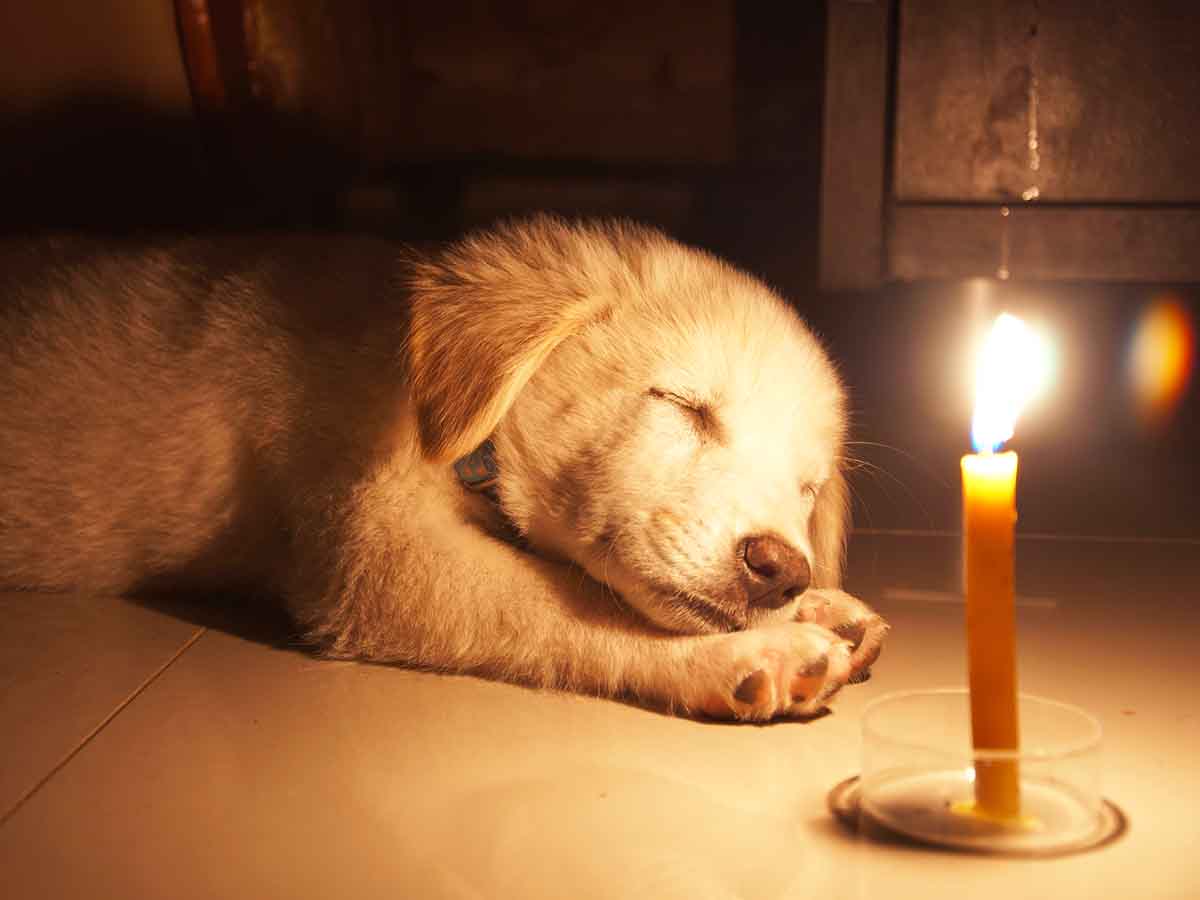
Leave a Puppy Alone Overnight? (8 Tips + Staged Approach)
You’ve picked up your cute puppy, and although it seems happy when it is with you, as soon as you put the lights out to go to sleep, the puppy starts howling a song of heartache and sadness.
You feel for your puppy because it was with its mother, brothers, and sisters last night – tonight, it is all alone.
Or, you’ve let your puppy sleep with you the first few nights, and now you want it to sleep alone.
When is it alright for a puppy to stay by itself all night?
How Old Does a Puppy Need to Be to Sleep Alone?
There is no definitive answer to when it is ok to leave a puppy to sleep by itself – you need to decide how to transition your puppy from being a baby dog to an adult dog.
Initially, your puppy should sleep in a dog crate overnight, starting where your presence reassures it and then moving to its adult sleeping area and possibly an open dog bed.
You need a strategy to make your puppy safe and happy in your home and help it sleep through the night.
You can expect most puppies to sleep through the night around 16 weeks, but you get variations as each puppy is an individual.
Why Does Your Puppy Wake in the Night?
Your puppy can wake up in the night because of:
- Loneliness – it is used to sleeping in a bundle of puppies with its mother.
- Youth – a small bladder means it needs to pee or poop – instinctively, it wants to get away from its sleeping area and lets you know it needs help.
- Anxiety or excitement – being in a new place can make it difficult for it to sleep.
- Discomfort – too hot, too cold, or it doesn’t like the bedding material.
- Hungry or thirsty.
- Distress – teething pains or an upset tummy may make it difficult to sleep.
- Excess energy – if your puppy has slept in the early evening, it will want to play overnight.
How Can You Help Your Puppy Sleep Through the Night?
A very young puppy is unlikely to sleep through the night in the first few weeks in your home.
You can lay the foundations from the first night for your puppy to be comfortable sleeping alone with the following actions and strategies:
1. Provide a Secure Place to Sleep
A dog crate provides your puppy with a secure place to sleep.
If you cover the roof and three sides of the cage, you create a cave where the puppy can sleep in comfort without the fear of an unpleasant surprise.
A young puppy is likely to fall asleep while playing during the day, and it can be helpful to have two sleeping areas – a dog crate for secure sleeping and an open basket or cushion for daytime naps in the living area.
When your puppy falls asleep during the day, pick it up and place it in its designated sleeping area. It will soon associate its bed with sleeping and security.
When your puppy is in its crate or bed, please don’t allow any family member to disturb it. Don’t drag it out of the crate – allow it to choose to come out to play.
Your puppy’s sleeping spots must represent security and safety.
2. Recreate Sleeping with Its Mother
You can buy a specialist toy like a “Snuggle Puppy” that provides a gentle heat and a heartbeat (battery-powered) that creates the experience of sleeping with the puppy’s brothers and sisters.
The principle is that the puppy enjoys the familiarity of the noise and warmth and finds it soothing overnight, helping to feel less lonely and isolated.
You can boost the effect by asking the breeder to put the snuggle toy near the puppy sleeping area for a few days, so it picks up the scents of the litter.
3. Late Night Bathroom Breaks
Before turning in for the night, allow your puppy to relieve its tiny bladder – either outside or on puppy training pads.
It may not take advantage of the bathroom break, but in time your puppy will understand that the last comfort break is part of its bedtime routine.
In the early weeks, before you can reasonably expect your puppy to sleep through the night if your puppy wakes, take it for a bathroom break and the opportunity to drink some water and nibble a few biscuits.
Keep the trip functional and resist the temptation to play with your puppy when it wakes in the night.
You are preparing your puppy to sleep through when its body is mature enough to sleep all night without needing to pee.
4. Reduce the Puppy’s Overnight Energy
As part of the nighttime routine, spend some time playing with your puppy before it goes to bed.
Short games of between ten and twenty minutes encourage your puppy to get some exercise and help build your bond with your dog.
Toys that encourage your puppy to sniff out and free a small treat encourage your puppy to problem solve. Some puppies like to play tug, and others enjoy chasing soft balls.
Your puppy will soon let you know which are its favorite games.
5. Add a Calming Scent
Dog appeasing pheromones (DAP) mimic the scent a nursing puppy mother emits to keep their puppies calm and content.
These are available as a diffuser you can plug into an outlet or as a spray you can spritz onto bedding.
DAP doesn’t work for every puppy, but there are no negative impacts from its use, so it is worth trying to reinforce the safe, secure sleeping area message.
If you use the plug-in diffuser, ensure it is out of the puppy’s reach, so it doesn’t think of it as a potential toy for chewing.
6. Some Noise Might Help
Like human babies, some puppies sleep better with a low level of consistent noise, providing a reassuring backdrop to the night.
You can use a white noise emitter, classical music, or set your smart speaker to play an hour or two of calming nighttime music for dogs.
7. Time the Last Meal
It can be tricky timing your puppy’s last meal so it can have a successful bathroom break before settling down for the night but not waking up because it is hungry.
Plan a final meal at least three hours before bedtime, but let your puppy have a few dry snacks an hour or so before bedtime as training rewards during the last play session.
Advice on access to water and food overnight varies.
Still, it makes sense to allow your puppy constant access to water in sweltering weather, especially if the puppy is separated from you overnight.
If the puppy is asleep, it won’t be drinking water, but water is essential if it wakes up hot and thirsty.
8. Regular Bedtime
You may choose to binge-watch an entire series until the early hours of the morning but establish a regular bedtime for your puppy.
If you retire to sleep between 9 and 10 pm, then the puppy can go to bed at the same time as you. However, if you vary in your sleeping time or are a night owl, then choose a time when you want your puppy to settle down for the night.
A routine is better for your puppy, so it knows what to expect and how to behave.
Staged Approach to Leaving Your Puppy to Sleep Alone
In the first few weeks after you bring your young puppy into your home, you need to provide the reassurance of your presence overnight.
Positioning its nighttime sleeping bed – dog crate or basket so the puppy can see you overnight, together with helpful sleep reinforcement, will help you assess how soon you can leave your puppy to sleep alone.
Before you can leave your puppy to sleep alone overnight in another room, you need to ensure:
- Your puppy is happy by itself for a couple of hours. If it is sleeping through the night, it is probably ready to sleep alone.
- You understand any fear triggers – darkness, loud noises, stormy weather, and noisy sirens, so you can eliminate these where possible from the sleeping area.
- Your puppy feels safe and secure in its sleeping area.
Starting your puppy sleeping in a dog crate or basket in your bedroom and then gradually moving it further away from you and into the designated sleeping area is an excellent way to transition your puppy into sleeping alone.
Does Your Puppy Have to Sleep Alone?
Your puppy’s sleeping arrangements depend on what is convenient and desirable for you. You might be happy to have a puppy sleep in your bedroom for a couple of weeks but prefer your adult dog to sleep separately.
Some people are happy for their dogs to sleep with them on the bed or the furniture; others prefer their dogs to stay off the furniture and train accordingly.
It is unkind to leave your puppy alone, fearful and distressed in the first few nights it joins your family, but building its confidence to enable it to sleep alone will ultimately benefit your puppy and you.
Dogs are social animals, but unless your lifestyle means your dog is constantly in your presence, it must learn to be comfortable with its own company and happy to sleep alone.
How Much Sleep Does Your Puppy Need?
An adult dog sleeps overnight and has about 3 hours of daily napping time. Older dogs may spend more of their time asleep.
A young puppy sleeps between 18 and 20 hours and gradually reduces this until it reaches one year. At one year, it will sleep like an adult dog.
Your puppy (and your adult dog) needs plenty of daily nap time as well as an overnight sleep.
Encourage your puppy to retire to its safe sleeping spots during daytime napping, as this will help your puppy feel comfortable sleeping alone overnight.
How Do You Set Up a Sleeping Space for Your Puppy?
For sleeping alone overnight, ensure your dog crate or sleeping area has:
- Comfortable bedding.
- Comfort toy – like a snuggle pup.
- Access to water.
- Training pads for a bathroom break – although you are taking your dog outside, accidents may happen overnight when house training your puppy.
You can also play music and use DAP to promote a restful night’s sleep.
What About Melatonin?
Melatonin is a natural hormone in dogs and humans. It regulates the sleep cycle, amongst other things.
Only consider giving your puppy melatonin if a vet prescribes it because it can react badly with other medication and have serious side effects.
Your puppy does not need melatonin to develop a sound sleeping pattern.
If your vet offers melatonin for your puppy, it will be a treatment for a sleep disorder (yes, dogs can get sleep disorders) or as a treatment for anxiety.
Don’t self-medicate your puppy because you can poison it with excess dosage, and you are not qualified to decide if your dog needs melatonin as a supplement.
Bedtime Routines for Happy Pups
Establishing a bedtime routine helps your puppy settle into sleeping through the night by itself, but don’t expect instant results.
Be kind to your puppy while it learns what you expect from it when it is bedtime.
Your puppy will learn quickly and appreciate the consistency of a set routine.
By the time your puppy is four months old, you can expect it to sleep through the night and to happily take itself to bed for both its daytime and nighttime naps.