

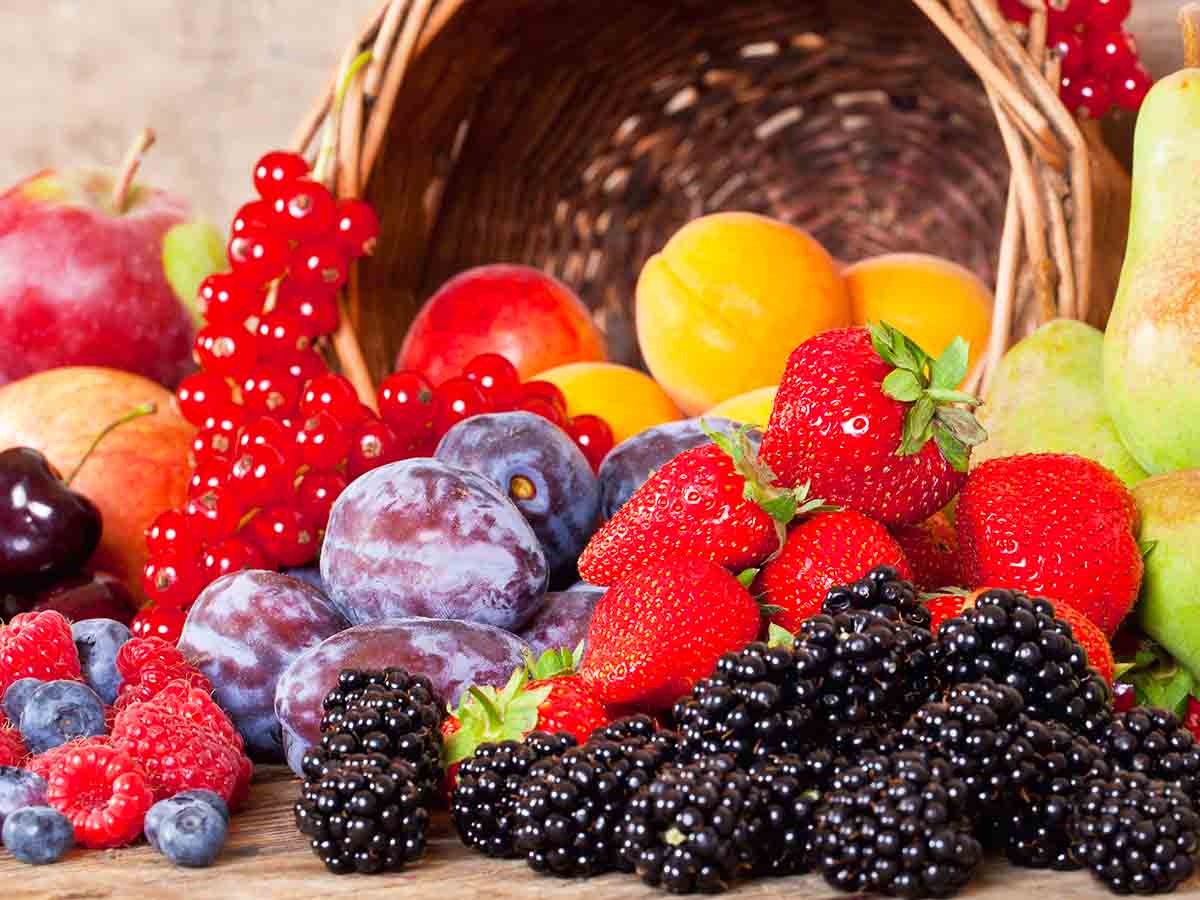
Fruits for Puppy: 30 Exciting Options (In-Depth Guide)
Fruits in moderation are part of your healthy diet; what about your puppy?
Puppies enjoy the sweet taste of many fruits but are these good for your puppy or simply a source of added sugar and calories?
Is feeding fruit to your puppy a good idea?
Commercial puppy food will supply the full range of nutrients necessary for a healthy growing puppy, but your puppy does enjoy treats for a change in texture and taste.
Is fruit an ideal treat for you to share with your puppy?
What is the best fruit for your puppy?
Which should you avoid?
Introducing Fruit to Your Puppy
All your puppy’s essential nutrients are in its main meals.
Fruit is an additional calorie and sugar-laden treat given in small amounts and should form less than 10% of the puppy’s diet. Excess calories and sugar harm your puppy’s health through tooth decay and obesity.
When you offer fruit to your puppy, keep the portion small and infrequent.
Some fruits are toxic to your puppy, some fruits trigger an allergic reaction, and some fruits don’t benefit your puppy’s health.
On the other hand, some fruits are hydrating, have interesting textures, and provide valuable trace nutrients.
Does Your Puppy Gain Anything from Eating Fruit?
A natural fruit treat instead of a highly processed commercial treat allows your puppy to:
- Enjoy different tastes and textures.
- Gain an energy boost from the sugar.
- Hydrate with some fruits.
- Benefit from additional antioxidants, vitamins, minerals, and phytochemicals.
Replacing commercial treats with natural fruit gives your puppy a more diverse experience with food.
Does Your Puppy Need Antioxidants?
Free radicles damage cells and result in heart disease and cancer as your puppy ages. Antioxidants mop up these free radicles and promote a healthy and long life.
Your puppy’s immune system is in the early stage of development, and a diet rich in antioxidants helps promote lifelong health and reduces the impact of ingested toxins.
The essential antioxidants for puppies include:
- Selenium – keeps the thyroid healthy, fights cancer and heart disease.
- Beta-carotene – vital to promote the effectiveness of puppy vaccinations.
- Vitamins C and E – healthy blood vessels and promotes healing.
As your puppy matures, antioxidants play an increasing role in promoting whole-body health.
You find Beta-carotene in yellow and orange fruits like cantaloupe and peaches. Lycopene is in red berries and pink watermelon.
Research is ongoing on the role plant chemicals play in promoting health in you and your puppy, but feeding a variety of fruit treats is an excellent way of providing a range of additional nutrients.
Establishing your puppy’s appreciation for fresh fruit treat now will help promote healthy activity into your puppy’s senior years.
The two fruits riches in vitamins and antioxidants that are safe for your puppy are blueberry and mangoes.
Fresh or Frozen Fruit?
If your puppy can eat the fruit, you can serve frozen fruit to your puppy if the fruit freezes safely.
Frozen fruit pieces are ideal for a teething puppy as they provide some relief from hot and aching gums and add another texture.
Puppies appreciate different textures in their mouths, so it is an excellent idea to offer treats with a range of textures – soft, hard, crunchy, chewy, and frozen.
Your puppy has a fraction of the tastebuds of a human, so smell and texture play a more significant role in your puppy’s enjoyment of food.
How to Prepare?
Most fruits are best raw, but depending on your puppy, you may need to cut the fruit into small pieces, remove seeds and rind, and in some cases puree the fruit to make it simpler to eat.
Be cautious when tossing a small fruit (like blueberries) to your puppy because when your puppy catches it from the air, it may be a choking hazard.
Allergic Reactions to Fruit
The typical signs of an allergy in your puppy include:
- Vomiting and diarrhea – always worrying as a tiny puppy can quickly dehydrate and lose energy. You need to visit a vet because it can be the first sign of anaphylactic shock.
- Itchiness and a skin rash – serious but not urgent.
- Licking paws and chewing – a frequent indication of a food allergy. Talk to your vet, but it does not require an emergency visit.
Feeding too much fruit to your puppy will result in diarrhea, even if your puppy is not allergic to the fruit.
Fruit is a treat in a treat-sized portion; no matter how much your puppy loves the taste, restrict access to fruit.
Reactions to Toxins
The clinical signs that your puppy has ingested a toxic fruit include one or more of the following:
- Vomiting.
- Diarrhea.
- Drooling.
- Not eating.
- Dry heaving.
- Pale or yellow gums.
- Coughing or vomiting blood.
- Falling over.
- Collapsing.
- Change in urination – decrease or increase.
- Seizures.
- Change in urine color and smell.
- Lethargy and shaking.
- Breath smelling of ammonia.
You need to talk to your vet immediately if your puppy ingests a toxic fruit.
Your vet may talk you through appropriate treatment or schedule an emergency visit depending on their assessment of the severity of the situation.
Toxic fruits can result in organ damage or death. But prompt treatment by a vet will often avoid damage to your puppy’s long-term health.
Intestinal Blockage
Small puppies are at significant risk of intestinal blockage from small hard, indigestible pits (stoned fruit) and fibrous rinds. The symptoms may appear up to 24 hours after ingestion.
Typical symptoms include:
- Vomiting.
- Not wanting to eat.
- Constipation.
You will need your vet’s assistance to clear the blockage, and surgery may be necessary in extreme cases.
Green Zone Fruits
Green zone fruits are safe for your puppy to eat in moderation. Despite the lack of toxicity for your puppy, individual reactions may vary from dislike to allergic.
1. Banana
Banana chunks (fresh or frozen) are an excellent low-calorie treat for your puppy with helpful trace elements and vitamins.
The skin is indigestible so remember to peel the banana before offering a piece.
Bananas are high in fruit sugars and are a treat food or a modest ingredient in a home-cooked puppy meal. Bananas provide potassium, vitamin B6 and C, plus Dopamine and Catechin.
Dopamine is a feel-good chemical that promotes happiness. You and your puppy both make this hormone, but you can enhance dopamine levels with your diet.
Catechin is an antioxidant (mainly found in tea) that promotes inflammation reduction and helps fight cancer.
2. Watermelon
Watermelon is a refreshing way to hydrate your puppy as it is almost 90% water and relatively calorie-free – a no-guilt treat.
You can serve watermelon in chunks – fresh or frozen or as a puree.
The seeds can cause an intestinal blockage, and the rind is too fibrous for your puppy’s delicate digestion.
Watermelon contains beta-carotene (necessary for vitamin A) and lycopene in the red versions. Lycopene is a cancer-fighting antioxidant for your puppy and you.
Additionally, lycopene (like vitamin A) is an essential nutrient for excellent vision.
3. Peaches and Nectarines
The leaves and stems of peach trees are toxic for your puppy, but the ripe flesh is safe to eat. The pit represents a slight risk of cyanide poisoning but a greater risk of choking or blocking the intestine.
Both these fruits are sweet, delicious, and healthy, and an excellent treat in moderation.
The orange flesh indicates these fruits are rich in beta-carotene. The antioxidants present in peach and nectarine flesh are beta-cryptoxanthin, zeaxanthin, and lutein.
Lutein and zeaxanthin are excellent for vision, anti-inflammatory, and help maintain heart health. In combination, these antioxidants preserve the health of the retina.
Beta-cryptoxanthin is another antioxidant that lets your puppy create vitamin A.
4. Apricots
You need to cut the apricot into bite-sized pieces for your puppy, but fresh apricot is a delicious, sweet treat.
The high sugar and fiber content mean you need to moderate your puppy’s love of apricots to a few pieces rather than a bowlful.
You can also feed dried apricots but not if they contain artificial sweeteners (Xylitol) or pits.
Reduce the portion size for dried apricots because the drying concentrates the sugars.
The orange flesh of the apricot contains the same plant compounds as peach and nectarine.
5. Strawberries
Strawberries are delicious for you and your puppy. One or two as a treat for your puppy adds some extra trace elements to the diet.
While your puppy is small, consider chopping the strawberry into bite-sized chunks or mashing it. Strawberries are sweet – keep the portion size small.
The polyphenols in strawberries include anthocyanin (healthy heart), quercetin (anti-inflammatory), kaempferol, and ellagic acid.
All antioxidants mop up free radicles and promote a healthy body.
6. Blueberries
Blueberries are small, sweet, and delicious as a treat for your puppy. Be mindful that a small fruit can present a choking hazard, particularly for a more miniature puppy.
It is a high sugar treat, so feed in moderation to avoid dental disease.
Frozen blueberries provide an exciting and refreshing texture for your puppy on a hot day.
Fresh blueberries make a handy alternative treat to processed training treats if your puppy enjoys them.
Blueberries are rich in antioxidants – anthocyanins which improve both heart and brain health. These chemicals give the blueberry a rich purple color.
7. Blackberries
Blackberries are a safe treat for your puppy compared with other berries; they are relatively low calorie and low in sugar content. You can toss them as fresh or frozen treats.
If you choose to let your puppy catch a treat from the air, remember that your puppy can potentially choke regardless of how safe the treat is to consume.
Like blueberries, blackberries contain high levels of anthocyanins.
8. Apples
Apples are a safe fruit for your puppy, but a whole apple is likely to add too much sugar to your puppy’s diet.
Offer your puppy a slice or perhaps two if your puppy is from the larger breeds. Too much apple is likely to give our puppy a sore stomach.
You can choose to give your puppy an apple slice or chunk with or without the peel. The apple peel contains fiber, which is beneficial, but the peel can get stuck between your puppy’s teeth.
If serving with the peel, wash the apple first because most apples have a pesticide residue on the skin.
Remove the apple core because the seeds and tough parts represent a choking hazard and may cause blockages. The seeds contain traces of cyanide; although the amount is tiny, it is a risk you can avoid.
Unsweetened apple puree is an excellent ingredient in homemade puppy treats, and home-cooked apple crisps are ideal for portable puppy treats.
You can turn a thinly sliced apple into crisps by drying in a low oven (200˚F for around 2 hours) or a dehydrator.
Apple’s antioxidants include quercetin, catechin, and chlorogenic acid.
9. Honeydew
Honeydew melon is a safe and refreshing treat for your puppy – remove the rind and seeds to avoid choking and intestinal blockages.
Match the chunk size to your puppy’s size.
The honeydew flesh is high in sugar, so it is a treat food as either fresh or frozen chunks. The high water content makes frozen melon chunks an excellent alternative for your puppy when the rest of the family enjoys a popsicle.
The primary antioxidants in honeydew are zeaxanthin and lutein; in combination, this helps maintain vision.
10. Mango
Ripe, soft mango flesh is sweet and delicious for your puppy.
The rind and stone need removing as these represent choking hazards, a slight risk of cyanide poisoning, and digestive upset.
The high sugar content means mango is a treat food rather than a substantial dish.
You can make a delicious ice cream-like treat for your puppy (and you) by blending unsweetened almond milk, mango puree, and orange juice and freezing in an ice cube tray.
Mango contains many vitamins and minerals and a host of antioxidants – over twelve different types.
The main ones are anthocyanins, benzoic acid, catechins, kaempferol, quercetin, and rhamnetin.
11. Kiwi
You can feed kiwi chunks to your puppy as a sweet treat.
Although the skin is edible, remove it because it is too fibrous for your puppy’s sensitive digestion.
Humans don’t have issues with the seeds, but your puppy might have difficulty digesting them.
A whole kiwi is too much for your puppy – one or two small wedges as an occasional treat are fine. Kiwi doesn’t have the same nutritional benefits for your puppy as you, but it isn’t toxic.
Kiwi provides zeaxanthin, lutein, and choline.
12. Pear
Your puppy may safely enjoy a chunk or two of ripe pear.
Not every puppy likes fruit despite the sweet taste, so don’t be surprised if your puppy rejects the offering.
For your puppy, remove the skin, stalk, and hard core to make the fruit as easy and safe to eat as possible. As your puppy grows, if it enjoys the taste of pear, you can leave the skin on, although it tends to get stuck between the teeth.
Treat pears for your puppy as if they were sweets – one chunk and not too regularly.
Pears are fruits that can ferment and cause gas in the stomach. If your puppy is a breed susceptible to bloat, you may want to pass on the pear.
13. Pineapple
The sweet ripe flesh of the pineapple is safe for your puppy to eat.
The skin and hard core are all difficult (and potentially hazardous) for your puppy so remove these before serving.
Pineapples have high sugar and high fiber content. In combination, too much will impact your puppy’s digestive system with loose poop a result.
Treat pineapple as a sweet and keep the serving to an occasional fresh or frozen treat on one chunk.
Unripe pineapple is toxic to you and your puppy.
Pineapples contain Bromelain, which helps digestion but can cause an allergic reaction and interfere with other medication.
14. Cantaloupe
A delicious member of the melon family, cantaloupes sweet orange flesh is a refreshing treat you can share with your puppy.
The same rules as for watermelon:
- Remove the rind and seeds – the risk of intestinal blockage.
- High sugar content means treat portions, not meals.
Cantaloupe, like most melons, has high water content and is excellent as a hydrating treat on a hot day. Cut the flesh into appropriate bite-sized chunks for your puppy.
The antioxidants in cantaloupe include choline, zeaxanthin, lutein, beta-carotene, and selenium.
Amber Zone – Be Cautious
The amber zone vegetables and fruits may be safe for your puppy to eat, but some significant issues to consider.
15. Raspberries
Raspberries contain vitamins and minerals, valuable nutrients for your pup, but don’t feed to excess.
Raspberries are naturally high in Xylitol.
As an artificial sweetener Xylitol is toxic for your puppy, so don’t be tempted to offer a lot of raspberries and keep an eye on your puppy for a potentially poisonous reaction.
16. Cranberries
Fresh and dried cranberries are in the amber zone because a small amount won’t harm your puppy, but there are some risks.
Dried cranberries sweetened with grape juice or artificial sweeteners are potentially toxic. Even if the added sweetness is safe to consume, adding sugar to your puppy’s diet isn’t healthy for waistline or teeth.
Cranberries are bitter, and your puppy may not relish them.
You can feed cranberries in moderation, but there are better options to treat your puppy with fewer risks.
17. Cherries
The flesh of the cherry isn’t an issue for your puppy, but the pits and stems are.
You can feed your puppy a small amount of prepared cherry flesh – sweet and high in fruit sugars, as a treat but not a substantial meal.
The pits represent a choking hazard, can get lodged in your puppy’s digestive tract, and contain cyanide.
The stems and leaves contain significant amounts of cyanide, so if you have a cherry tree in the garden, avoid using twigs as a throwing toy. Your puppy may chew the stick, and that isn’t healthy for it.
If your puppy manages to eat a load of cherries – raiding the shopping bag, fruit bowl, or garden windfalls then the symptoms to watch for include:
- Intestinal blockages – the smaller the dog, the greater the risk.
- Cyanide poisoning – difficulty breathing, dilated pupils, and excessively red gums.
Exercise caution when your puppy is around cherries because if you teach your puppy that cherries are a delicious treat, they are more likely to try to eat them whole with pits when you are not looking.
18. Citrus
The citrus fruits include oranges, tangerines, mandarins, satsumas, lemons, lime, and grapefruit.
Most puppies don’t like the smell of citrus, but there are some exceptions.
Your puppy can eat citrus fruits (but may not want to), but remove the peel and any seeds as these are potential issues with choking and blockages.
Citrus fruits like grapefruit, lime, and lemon taste bitter to your puppy, and the citric acid may upset your puppy’s tummy giving it looser stools for a while.
Some puppies may enjoy sweeter citrus fruits like oranges, tangerines, and mandarins.
The essential oils in the rind can be toxic, although most puppies won’t try to eat them because of the strong smell causing your puppy to avoid contact.
If your puppy is one of the puppies that like citrus, the sweeter oranges, mandarins, tangerines, and satsumas are a pleasant treat in moderation without the skin or pips.
Avoid lemons, limes, and grapefruits – both because your puppy doesn’t like them and the bitter mix of chemicals naturally present in the fruit are potentially harmful.
19. Lychees
The ripe flesh of the lychee is safe for your puppy, but the pit and leathery skin are problematic.
Lychees are not a necessary part of your puppy’s diet and are a high sugar treat. The seeds contain saponins and are poisonous for you and your puppy, and the unripe lychee is toxic.
Although your puppy can eat properly prepared ripe lychees, this fruit has nothing to recommend as an ideal puppy snack.
20. Figs
Leaves and stems of the fig tree are highly toxic for your puppy, and if you have one as a houseplant, be alert for potential poisoning if your puppy tries to eat the plant.
Fresh figs have high fiber content, and although your puppy can eat it in moderation, it can cause diarrhea.
Ficin and fucosin are chemicals naturally occurring in figs that can irritate your puppy, causing drooling, diarrhea, and vomiting.
Fresh figs are not toxic for your puppy but can make your puppy feel ill after eating.
21. Dates
Dates are not toxic for your puppy, but the high sugar and fiber combination will give your puppy loose stools.
The pits represent a hazard for choking and potential blockages.
Your puppy can eat the odd date, but there are better fruits and vegetables for your puppy to enjoy with less messy bathroom breaks.
22. Jackfruit
You can eat jackfruit raw or fried in Asian cuisine, but what about sharing with your puppy?
Some humans have allergic reactions to jackfruit, and so can your puppy, so if you choose to offer a small bite, be alert.
You can offer a bite of the flesh – but remove the skin, latex, and seeds. You may enjoy cooked jackfruit seeds (like chestnuts in texture), but don’t share these with your puppy because they contain a toxin similar to cyanide.
You can feed dried jackfruit flesh to your puppy in moderation but be alert for other harmful ingredients included with the dried jackfruit.
23. Olives
Plain olives without the pit aren’t a problem for your puppy if given as a small amount and not to excess.
Most olives come packaged in brine with too much salt or other toxic ingredients like garlic or painful chilies.
The pits are a choking hazard and can cause blockages if swallowed.
24. Pomegranates
Pomegranates are not toxic, but many ingested seeds may result in an intestinal blockage for your delicate pup.
As pomegranates are all seeds, it is best to avoid this fruit for your puppy.
Red Zone – Toxic Fruit
These fruits contain compounds that are toxic to your puppy and are not suitable treats.
Even a small amount like one raisin can necessitate an immediate call to the vet.
25. Grapes
Some puppies are acutely sensitive, but all grape varieties are toxic for your puppy.
Science hasn’t identified a single toxin responsible for the effect on your puppy bit potential contenders include:
- Mycotoxin from naturally occurring fungus or spores. These are part of the natural fermentation process (noble rot) that can turn grapes into wine or champagne.
- Salicylate – a natural drug like aspirin that decreases blood flow to the kidneys.
- Tartaric acid – a recent thought as tartaric acid in play dough is known to cause a toxic response.
26. Avocado
Avocado is not a healthy treat for your puppy because of the presence of Persin. This toxin concentrates in the stone and skin but also the flesh.
Not every puppy is sensitive, but it is not worth the risk.
Persin is a fungicidal toxin that is hazardous to all animals with a varying range of effects.
For your puppy, a taste of avocado can result in vomiting, diarrhea, and heart problems.
Some humans are equally sensitive to this toxin, but most suffer no ill effects and enjoy the fruit without worries. This toxin in humans is cancer-fighting and much prized.
27. Gooseberries
Gooseberries are toxic for your puppy.
If you have a gooseberry bush in your garden, ensure your puppy doesn’t gain access to the fruit. Sadly, your puppy does not instinctively know what is poisonous to eat.
28. Goldenberry (Physalis)
This fruit belongs to the nightshade family and contains potentially dangerous levels of solanine for your puppy.
Your puppy will derive no benefit from this fruit.
29. Rhubarb
Rhubarb is treated as a fruit but is a vegetable stem.
Rhubarb is too toxic for puppies under twelve months and not particularly beneficial for older dogs either.
30. Starfruit
This fruit is harmful to any dog with poor kidney function and provides no benefit for your puppy.
Does the Puppy Breed Matter?
The puppy breed matters when choosing which fruits are potential dish additions for your puppy.
Size
Most miniature toy breeds are more at risk from intestinal blockages from ingesting pips, stones, and highly fibrous rinds:
- Chihuahua,
- Cavalier King Charles Spaniel,
- Havanese,
- Maltese Terrier,
- Papillion,
- Pomeranian,
- Pug,
- Shih Tzu,
- Toy Poodle, and
- Yorkshire Terrier.
The smaller the puppy, the more significant the impact of a toxic fruit.
Proportionally a smaller puppy will suffer more from a bite of avocado than a larger puppy.
Kidney Stones
All dogs can form painful kidney stones because of infection or mineralization. Female dogs are more prone than males.
Some smaller dog breeds are more prone than other dog breeds:
- Lhasa Apsos,
- Miniature Schnauzers,
- Shih Tzus, and
- Yorkshire Terriers.
In the larger dog breeds, Dalmatians are more susceptible.
Some foods encourage the formation of kidney or bladder stones because they change the PH of the urine. As none of these fruits are essential for your puppy’s health but are optional additions, you may wish to avoid them.
Summary: Fruit for Your Puppy
The total amount of treats in your puppy’s diet should not exceed 10%.
Although a plant-based diet is beneficial to your puppy, too much causes stomach upsets because your puppy’s developing stomach can’t cope.
The best approach to adding fruit is to:
- Avoid toxic ingredients (red zone).
- Prepare by cutting and pureeing as appropriate.
- Choose healthy over harmful.
- Provide small quantities and vary the selection.
- Remove rinds, pips, and pits.
Your puppy gets its nutrition from balanced meals, and fruits are an optional treat food.
As a responsible puppy parent, protect your puppy from its lack of knowledge of safe vs. unsafe fruit in the home and the garden.